Exploring Open World Games and Their Surprising Role in Educational Development
Open world games have surely changed the landscape of gaming as we know it. Their vast universes offer players a sense of freedom and exploration that few other types of games can match. But did you know that these games can also play a surprising role in educational development? In this article, we’ll dive into the educational benefits of open world games, and how they can even overshadow educational games in certain contexts. Read on to discover more!
What Are Open World Games?
Open world games are those that allow players to roam freely in expansive, interactive environments. Rather than following a linear storyline, players have the freedom to choose how they want to navigate the game, exploring various quests, environments, and challenges along the way. Some notable examples include:
- The Legend of Zelda: Breath of the Wild
- Grand Theft Auto V
- Red Dead Redemption 2
These games usually emphasize exploration, creativity, and critical thinking. Because of this, they hold immense potential for educational purposes. Let’s explore how.
Educational Benefits of Open World Games
| Benefit | Description |
|---|---|
| Critical Thinking | Players must make decisions that influence outcomes, fostering analytical skills. |
| Problem Solving | Complex challenges prompt players to devise strategies, improving their problem-solving capabilities. |
| Creativity | Open environments encourage creativity as players construct their own paths. |
| Collaboration | Many open world games include multiplayer features, promoting teamwork and communication. |

As you can see, open world games can serve as more than just entertainment; they can be tools for growth and development.
Contrasting Open World Games with Traditional Educational Games
Unlike traditional educational games, which often offer structured learning environments, open world games can immerse players in scenarios that require them to think on their feet. While educational games are designed with the specific intent to teach, open world games engage players in learning without them even realizing it. This becomes especially clear when comparing games with good gameplay but bad story. While they might have a lacking narrative, the gameplay itself encourages exploration and experimentation, which are key elements of learning.
Examples of Games and Their Learning Outcomes
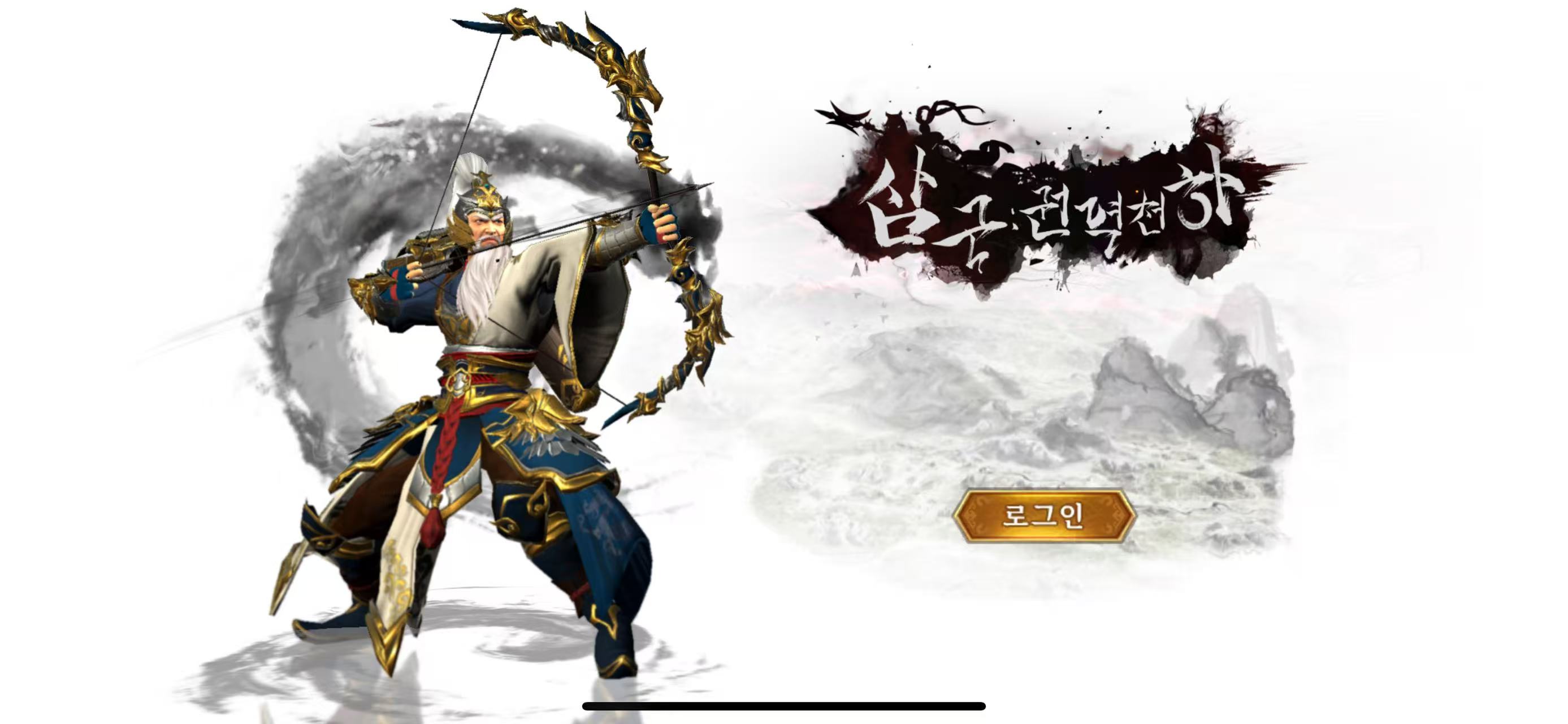
When it comes to specific titles, consider Last Empire War Z. While it's primarily a strategy game, it challenges players to think ahead, manage resources, and collaborate with others to achieve success. Although some may criticize its story, the gameplay mechanics offer valuable skills that can be applied in real life.
Here are some key points regarding the educational takeaways from various popular open world games:
- Encourages exploratory learning
- Fosters creativity and imagination
- Improves strategic planning
- Enhances social skills through multiplayer interactions
Conclusion
In conclusion, open world games have proved to be more than just a medium for entertainment; they can also be powerful vehicles for education. With their unique capacity to foster critical thinking, problem-solving, and creativity, these games pave the way for innovative learning experiences. Whether you're a player or an educator, the potential of these digital worlds is worth exploring. Next time you find yourself engaged in an open world adventure, remember: you might just be learning something valuable along the way!